

When Schools Disappear
I once wondered what life would be like if schools didn’t exist. At first, it seemed like a dream—no early mornings, no homework, no exams. But the more I thought about it, the more I realized how terrifying it would actually be.

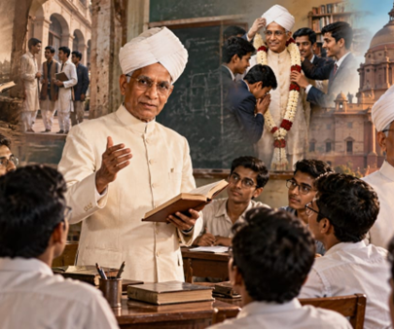
Without schools, who would guide us? There would be no teachers to explain math problems, no science experiments to spark curiosity, no stories to teach us history or languages. Without guidance, learning would be scattered, and many children—especially those without books or internet at home—would be left behind.
It’s not just about studies. Schools shape our personalities. They teach us confidence, responsibility, and discipline. Without them, children might feel lost, unsure of themselves, and unprepared to face the world.

I imagined the playgrounds empty, the classrooms silent, and friends scattered. There would be no teamwork in sports, no laughter during events, no opportunities to explore talents. Life would feel lonely, boring, and disconnected. The joy of learning together, celebrating small victories, or solving problems as a group would vanish.
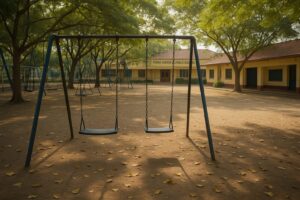
In that imagined world, I realized how much schools truly matter. They are not just buildings with books and blackboards—they are places where futures are shaped, minds are nurtured, and dreams take flight. A world without schools would slow down not only education but the progress of society itself.

Thinking about it made me grateful. Every lesson, every friend, every activity at school matters. Schools are not just for learning—they are for growing, discovering, and preparing for life. Without schools, children would wander through days without purpose or guidance.